



HONEY
- Specialità Valdostane
- 2795 views
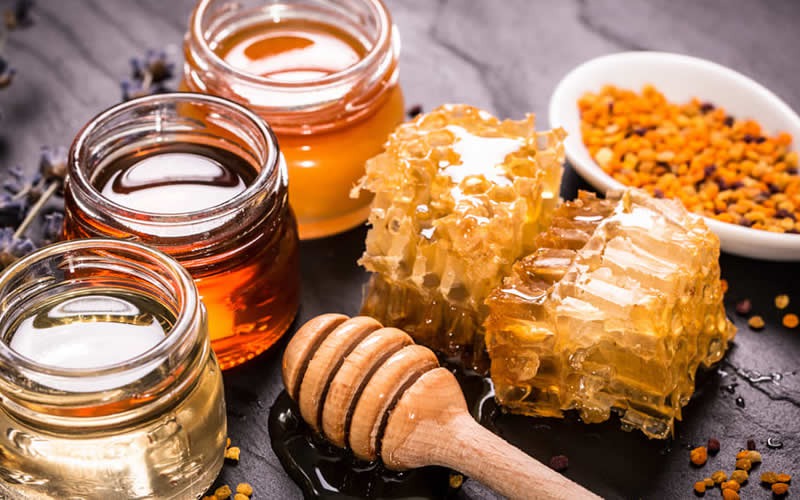
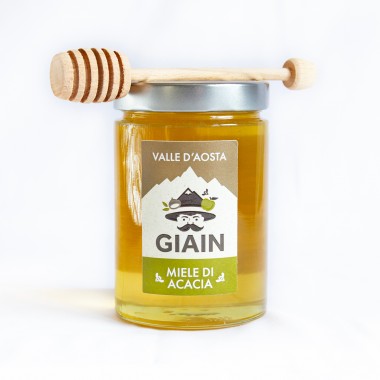
Acacia honey is instantly captivating with its delicate, velvety, and slightly vanilla-like flavor, almost like candy. It's perfect for sweetening herbal teas without overpowering their flavor and is traditionally used to soothe the throat, aid digestion, and combat heartburn. Thanks to its natural sweetness, it's also a favorite with children.
Eucalyptus honey, on the other hand, has a more assertive character, with notes of malt and caramelized sugar. It has always been prized during the colder months for its respiratory health and to calm coughs. Dissolved in hot milk or herbal tea, it releases its balsamic fragrance.
Chestnut honey is one of the most unique: aromatic, persistent, and with a slightly bitter aftertaste that makes it perfect even with aged cheeses. It is traditionally associated with healthy circulation and the urinary tract.
Mountain wildflower honey, on the other hand, is a true surprise of nature. Every year, its scent, color, and flavor slightly change based on the flowers blooming in the Alpine meadows. It is delicate, balanced, and rich in all the essences of the mountains.
It has also been used for centuries in natural body care. Applied to the face as a natural mask, it helps nourish and soften delicate skin thanks to its hydrating properties. Many people use it mixed with yogurt or sugar to create a gentle, fragrant natural scrub.
An ancient, but little-known curiosity is the use of honey in anti-cellulite massages performed in some Northern European countries: honey is spread on the skin and worked in with small hand movements to stimulate circulation and leave skin softer and more radiant. Even today, many wellness centers use honey treatments to naturally relax and nourish the skin.
The ancient Greeks considered it the "food of the gods," while the Egyptians used it in beauty rituals. And even today, honey remains one of the world's most prized natural foods, combining flavor, tradition, and well-being.
To best preserve honey, simply keep it away from heat, direct light, and humidity. If it tends to crystallize over time, this isn't a defect, but a sign of naturalness and authentic quality.
Savoring artisanal honey means taking home a little piece of the mountains, the scent of alpine meadows, and the precious work of the bees and beekeepers who passionately preserve these traditions.
Related products




MIELE DI CASTAGNO 100% ITALIANO 300 g
€8.00
Abbiamo selezionato i migliori apicoltori italiani per offrirvi 9 tipologie di miele di alta qualità che rispettano la tipicità ed identità del territorio.